Building a SaaS product without code is not just possible in 2026, it’s the new norm. Thanks to no-code platforms and AI-driven features, creating sophisticated applications is within everyone’s reach.
No-Code Revolution in SaaS Development
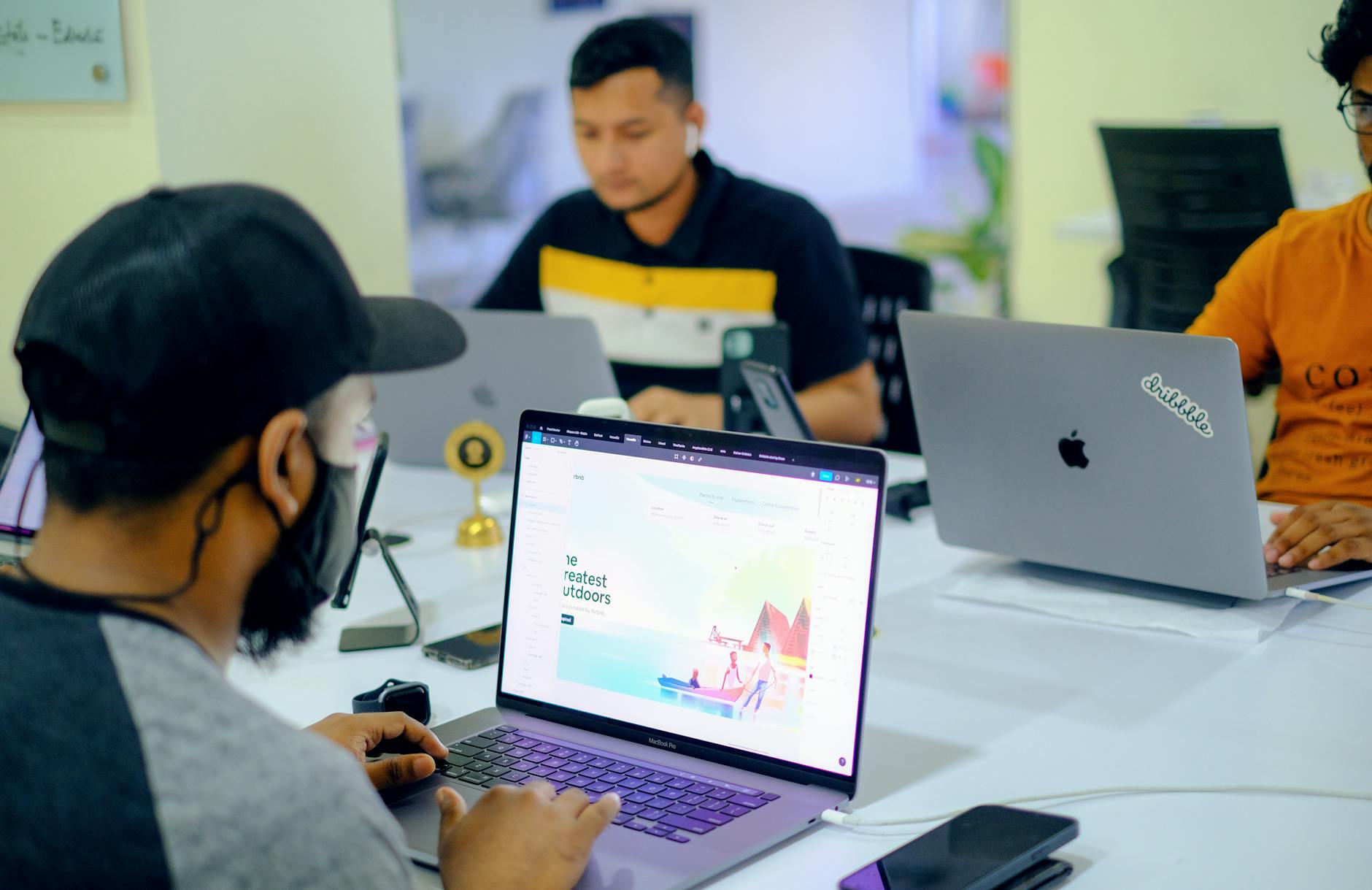
By 2026, the surge of no-code and low-code platforms reshapes software development. They allow any visionary to manifest their ideas virtually overnight. Popular platforms like Bubble, Airtable, and Webflow offer user-friendly interfaces that replace traditional coding with intuitive drag-and-drop elements.
Companies favor these platforms as they empower departments outside IT to create tailored solutions. Hostinger states 82% of businesses highlight this importance, pointing to a positive shift in agility.
Pro tip: Explore AI tool reviews to pick the best no-code platforms for your needs.
The Role of AI in No-Code Development
AI enhancements in 2026 significantly elevate no-code capabilities. By embedding AI, these platforms enable users to automate tasks, making applications smart without learning Python or JavaScript.
A trailblazer example is how AI helps automate customer service with no-code bots. A small business might deploy an AI chatbot via a simple drag-and-drop interface, cutting down on human resource costs while boosting service efficiency.
Industry forecasts by Jotform predict a booming $49.5 billion in no-code AI revenues by 2033, showcasing the expansive potential ahead.
Feature
Bubble
Airtable
Webflow
User Interface
Drag-and-drop
Spreadsheet-like
Responsive design
Unique Selling Point
Comprehensive app development
Database management
Design-centric
Best For
Startups creating MVPs
Data organization
Creative websites
Steps to Build Your SaaS Product Without Code
Embarking on your SaaS journey? Start by nailing these key steps. First, validate your idea through an MVP. Tools like Unbounce allow seamless landing page creation, ideal for assessing customer interest.
Next, dive into development with platforms such as Bubble or Adalo to build interactive prototypes. These tools make it possible to test and iterate at rapid speeds, ensuring agile adjustments based on hands-on feedback.
Finally, scale effectively via robust cloud services like AWS or Google Cloud. Their integrations with no-code platforms paves the way for scalable deployment without significant IT overhead.
Try this: Regularly consult user feedback on platforms like Reddit or Quora to enhance your service iteratively.
Common Pitfalls and How to Avoid Them
Launching a SaaS product without coding isn’t without its challenges. One frequent misstep is underestimating the importance of user experience (UX). An eye-catching, intuitive design is non-negotiable.
Lack of strategic planning for future growth is another pitfall. Investing in platforms with rigid structures can backfire as your user base expands. Keep an eye out for performance limitations and be ready with a low-code strategy as a backup.
Pro tip: Keep learning about SaaS trends with trusted sources like Investopedia.
Maximizing User Experience
The user interface can make or break your SaaS product. Involving potential users early in the design phase gives you a valuable UX perspective. Design choices should steer towards simplicity and functionality.
Proactive communication channels with users, such as chatbots, nurture a responsive customer support system, enhancing positive user perception.
Try this: Regularly test your platform’s navigation with new users to spot usability issues swiftly.
Conclusion
In 2026, building a SaaS product without code not only empowers creators but also democratizes innovation. The fusion of no-code and AI results in a powerful framework for rapid development and scaling. Choose the right tools, focus on user-centric designs, and prepare for growth, ensuring your product stands out in a competitive landscape. Ready to start your no-code journey? Check out our comprehensive online business tips for guidance.
Frequently Asked Questions
What is a SaaS product?
A SaaS product, short for Software as a Service, is a software distribution model where applications are hosted by a service provider and made available to customers over the internet. Instead of purchasing and installing software on individual devices, users access it via a web browser.
Which no-code platform should I start with?
Choice depends on your project type. For full-fledged app development, try Bubble. For database-heavy applications, Airtable excels. Webflow is perfect for design-centric websites. Consider your project’s unique needs and platform capabilities.
Can no-code platforms handle scalability?
Most no-code platforms offer scalable infrastructure, but there are limits. As your user base grows, you may encounter performance ceilings with certain platforms. Strategic planning and potential low-code integration can help navigate scalability challenges.
How can AI enhance a SaaS product built without code?
AI in no-code platforms allows for enhanced automation and personalization. AI features, like chatbots and data analysis tools, streamline operations and deliver customized user experiences without deep technical knowledge.