The Notion AI tutorial reveals how Notion AI metamorphoses your workspace into a command center. In 2026, harness AI to revolutionize productivity and workflow management.
Notion AI: Your AI Command Center in 2026
As we dive into 2026, Notion AI transforms from a mere productivity app to a fully-fledged AI powerhouse. This evolution lets users tailor their workspaces into dynamic, AI-driven environments. Automation plays a pivotal role, allowing project management to happen with ease. With features like automated status updates and deliverable tracking, managing complex workflows becomes simple.
One fascinating aspect is seamless integration. Notion AI ties in perfectly with Google Calendar and Slack, meaning updates and alerts fit naturally into daily workflows. Take a project manager at a small tech startup, spending hours sending tedious status updates. Thanks to Notion AI, they now rely on automated summaries sent directly to team members without lifting a finger.
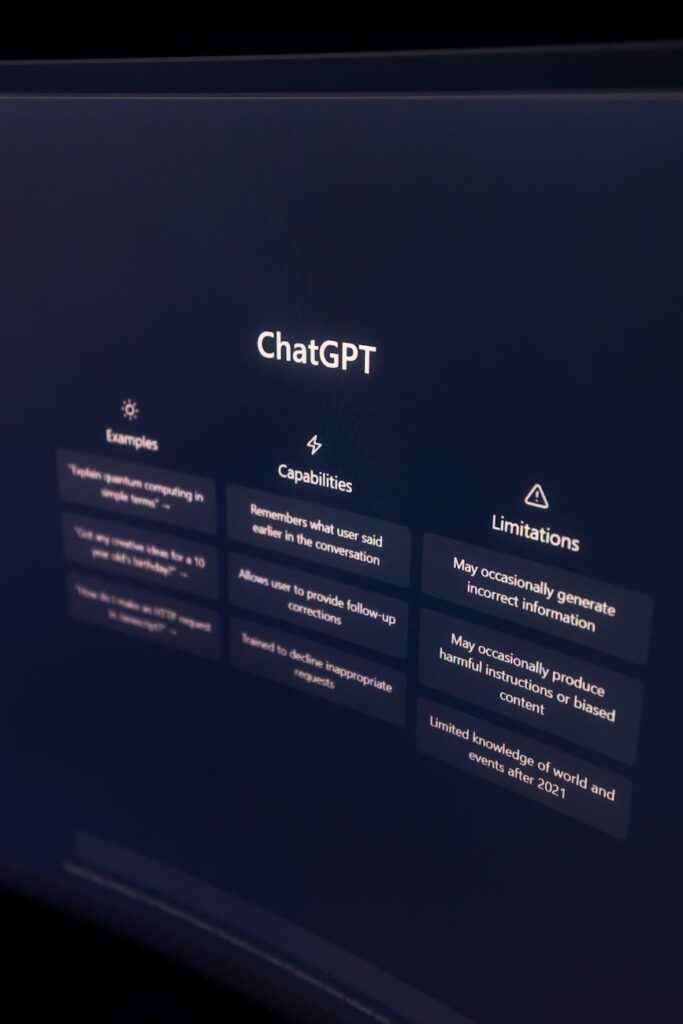
The effect is even more pronounced in content creation. Notion AI supports models like Claude and ChatGPT, streamlining both written content creation and database management. Imagine using one AI to brainstorm blog post ideas while another manages a content calendar, all tailored to your specific needs.
Key AI Tools Trends for 2026
AI tools in 2026 promise a future where AI agents stop being just tools and become teammates. Companies expect these AI integrations to execute tasks autonomously within existing systems. Microsoft’s Copilot Cowork exemplifies this by autonomously handling routine tasks within Office tools, a shift that frees human creativity for higher-value work.
Reasoning capabilities in AI models are another game changer. Previously limited in decision-making, models now analyze complex problems in real-time. For instance, a marketing team uses an AI model to decide on real-time ad placements based on current trends and data.
Success isn’t about the best standalone AI model anymore. Instead, seamless integration defines victory. Enterprises tapping into multiple AI models expect them to work in unison, ensuring fluid operations across platforms.
Feature
Option 1
Option 2
Option 3
Integration
Google Calendar
Slack
Zapier
Content Models
Claude
ChatGPT
GPT-4
Automation
Auto-Tagging
Meeting Summaries
Task Analytics
Machine Learning Trends in 2026
Machine learning is no longer about replacing jobs; it’s about enhancing human-AI collaboration. Employees across industries report significant productivity boosts by partnering AI models seamlessly into their daily tasks. An example involves a retail chain that uses machine learning to predict stock demands, helping managers make prompt orders.
Decentralized models are shaking things up. These smaller, task-focused models operate with precision and protect data privacy effectively. A healthcare provider employs these models for patient data analysis, ensuring privacy without sacrificing smart insights.
Standardization in MLOps creates structured, scalable deployments of AI solutions. Take a fintech firm integrating a learning model to verify transactions and detect potential fraud; uniform MLOps practices significantly scale these processes, reducing the need for constant oversight.
Financial Technology (Fintech) Insights for 2026
Fintech merges traditional and decentralized finance paradigms. AI-driven services are key, turning fintech apps into co-pilot systems for consumer financial management. These AI tools guide users through complex financial decisions, acting proactively by providing data-based advice.
The fintech industry is bolstering cybersecurity measures. Companies now introduce sophisticated adaptive security strategies to counter digital threats, something banks like JPMorgan significantly benefit from, safeguarding millions of daily transactions.
Consumers expect banks to mesh their services seamlessly with everyday applications they use. This demand leads to tailored banking services that respond to personal needs, working with rather than against user preferences.
Conclusion
2026 heralds dramatic shifts in productivity and user experience, driven by AI tools like Notion AI, machine learning innovations, and fintech advancements. Understanding these trends is pivotal for staying ahead. Ready to transform your workflow? Dive deeper into these changes at AI Tutorials and Best AI Tools to upgrade your AI command center.
Frequently Asked Questions
What is Notion AI’s main function in 2026?
By 2026, Notion AI serves as an AI-driven productivity command center. It transforms workspaces with automation, integration, and intelligent task management features, streamlining various workflows and optimizing efficiency.
How do AI tools impact teamwork in 2026?
AI tools transition from mere assistants to proactive teammates. They automate routine tasks, make complex decisions, and provide real-time insights, enhancing team collaboration and boosting overall productivity in dynamic work environments.
Why are decentralized models popular in machine learning?
Decentralized models offer tailored, task-specific capabilities, focusing on lower operational costs, speed, and robust data privacy. These benefits make them appealing for sectors requiring precision and confidentiality, like healthcare and finance.
What fintech trends are shaping consumer banking experiences?
Fintech is moving towards personalized financial management tools, integrating AI for proactive decision-making assistance. Enhanced cybersecurity also plays a crucial role in securing transactions, meeting the evolving expectations of tech-savvy consumers.