Quick Answer: Websites that fail to appear in ChatGPT often face indexing issues or lack schema markup for AI compatibility. By 2026, structured formats like FAQ schema and SSR have become essential for visibility. Approximately 60% of AI queries now yield zero-click results directly on chat interfaces.
What Causes Your Website to Be Invisible in ChatGPT?
A staggering percentage of websites aren’t optimized for AI tools like ChatGPT. Poor indexing with platforms such as Bing and unstructured content are leading factors. Specific AI crawlers prioritize machine-readable formats over traditional designs. If your site gets flagged for technical inefficiencies, chances are it’s left out of AI searches.
Is Your Technical SEO Making an Impact?
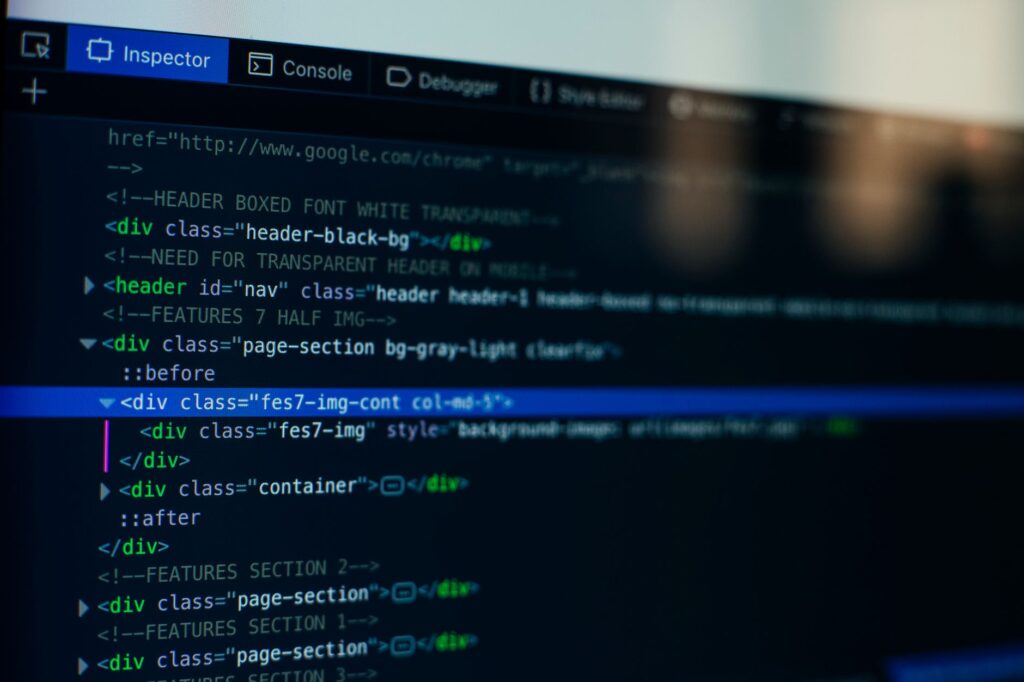
One critical adjustment involves implementing “Agent-Ready” technical SEO. AI crawlers like GPTBot lean towards speed and efficiency, preferring Server-Side Rendering (SSR) or Static Site Generation (SSG). Failing to present critical data in the raw HTML severely limits your site’s visibility. Estimates suggest around half of the ignored sites lack proper HTML delivery methods.
Pro tip: Inject key updates into server-rendered formats to improve AI crawlability.
Schema markup essentially acts as a translator between your website and AI interpreters. Leveraging types like FAQPage schema can boost visibility by as much as 40%, based on reports from Princeton and Georgia Tech (2026). Without incorporating structured data, AI models struggle to index and retrieve your site’s content efficiently.
Try this: Implement schema markup generators like Google’s Structured Data Tool to streamline the process.
How Do Zero-Click Searches Impact Visibility?
The explosion of zero-click searches in late 2025 has fundamentally altered website discovery dynamics. Over 60% of user queries provide answers directly, meaning websites with conventional SEO methods are increasingly obsolete. Unless your content integrates into AI’s direct answer functionality, visibility will continue to decline.
Pro tip: Focus on publishing content specifically optimized for featured snipped formats.
Does Factual Density Boost AI Citations?
Maintaining factual density is key to improving AI citations. Using specific figures, direct quotes, and unique insights enhances your chances by up to 30%. Websites ranking highly in Google don’t automatically become AI favorites; distinct, extractable data takes precedence over SERPs.
What’s the Future of AI and Website Rankings?
By 2026, hybrid strategies combining traditional SEO with AI-oriented tools are mandatory. Tracking clicks alone is no longer sufficient—leads and generated revenue metrics play a dominant role. With AI engines shaping buyer decisions, adapting to these new norms has never been more urgent.
Try this: Regularly analyze AI output to identify gaps in your current SEO optimization strategy.
Frequently Asked Questions
Why doesn’t ChatGPT recognize my website?
ChatGPT might not recognize your site due to lack of proper SEO, missing schema formats, or unstructured content. Indexing standards for AI differ from traditional search engines.
What is Agent-Ready SEO?
Agent-Ready SEO focuses on optimizing content for AI systems like GPTBot. Key practices include implementing Server-Side Rendering and detailed schema markup structures for crawlable content.
Are zero-click searches killing website traffic?
Yes, zero-click searches contribute to diminished website visits as AI tools directly satisfy queries. Nevertheless, being cited by AI engines boosts brand exposure without needing direct clicks.
Do backlinks matter for AI optimization?
Backlinks still play a role in traditional SEO but hold less significance in AI-driven visibility. Prioritizing machine-readable and structured formats now takes precedence.
About the Author: The Fociva Tech Team runs Fociva.tech, testing AI and productivity tools. We analyze user reviews, run real tests, and share honest findings. Learn more →