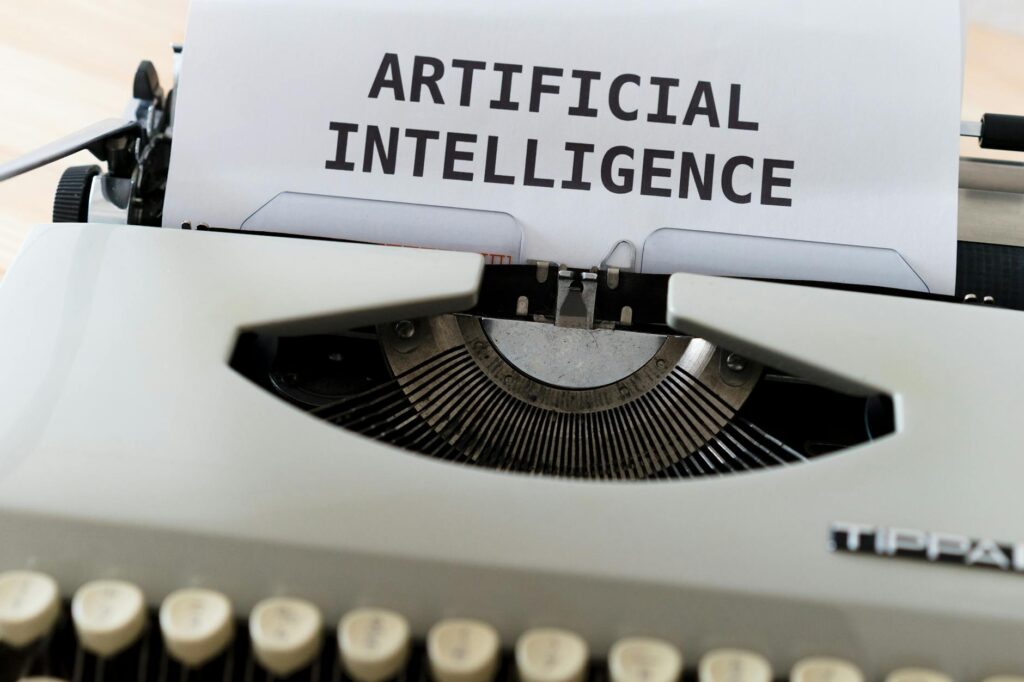
Automate Your Business with AI: 7 Amazing Workflows
Automate Your Business with AI: 7 Amazing Workflows
Automate your business with AI by implementing intelligent workflows that revolutionize your daily operations. These systems are designed to boost productivity and minimize manual tasks.
1. Customer Service Automation
Many businesses are now turning to technology for help in customer service. AI-driven chatbots can handle customer inquiries, providing instant answers to frequently asked questions. For instance, companies like Zendesk utilize AI to improve their customer service platforms, reducing response times and enhancing user satisfaction.
Furthermore, sentiment analysis tools can analyze customer feedback in real-time. This helps companies adjust their service strategies swiftly, keeping the customers happy and satisfied.
Pro tip: Implement a chatbot that learns from past customer interactions to improve its responses over time.
2. Sales Process Automation
Sales teams often face the challenge of managing large volumes of leads. AI can streamline this process significantly with lead scoring. Machine learning algorithms analyze customer data to determine which leads are most likely to convert, allowing sales teams to focus on high-priority prospects.
In addition to lead scoring, AI tools can automate personalized follow-up emails. By analyzing engagement levels, these tools increase conversion rates, ultimately leading to more sales for your business.
Try this: Track the performance of automated follow-up emails to fine-tune your messaging and timing for better results.
3. Human Resources Automation
Human resources are critical to business success, and automation can streamline many of their tasks. AI can help with recruitment chatbots that screen resumes and conduct initial interviews. For instance, platforms like HireVue employ AI-driven video interviews to assess candidates quickly and accurately.
Another critical area is employee onboarding. Automating tasks such as paperwork and training schedules creates a better employee experience and shortens the time required to reach productivity.
Pro tip: Use AI to create customizable onboarding paths specific to different roles within your organization.
4. Inventory Management Automation
Stock management can be intricate, but AI offers a solution. Predictive analytics can forecast your inventory needs based on historical data. Retailers deploying AI-based systems, like IBM Watson, significantly reduce issues associated with overstocking and stockouts.
Moreover, AI enables automated reordering. When stock levels dip below a set threshold, orders can be placed automatically, minimizing manual labor and ensuring products are always available.
Try this: Monitor your sales data regularly to help improve the accuracy of your AI’s predictive analytics.
5. Financial Reporting and Analysis
Keeping your finances in check is crucial. With automated financial reports, AI tools can gather data from various sources to produce comprehensive financial reports that are timely and accurate. Platforms like QuickBooks have integrated these AI features for streamlined bookkeeping.
AI also enhances security through fraud detection. Machine learning algorithms can analyze transaction patterns to identify anomalies, safeguarding your financial assets.
Pro tip: Regularly audit your AI systems to ensure they are detecting inconsistencies and anomalies efficiently.
6. Marketing Automation
Understanding your customer is key to successful marketing. AI can provide predictive customer insights that analyze consumer behavior and preferences. This enables businesses to tailor marketing strategies, optimize ad spend, and improve customer engagement. Tools like HubSpot leverage AI for personalized lead nurturing.
Additionally, content creation and curation can be automated with generative AI. These systems help marketers keep pace with consumer demand for fresh content across blogs, social media, and email campaigns.
Try this: Feature AI-generated content as part of your marketing strategy and gauge engagement for continuous improvement.
7. Project Management Automation
Managing projects can be overwhelming, but AI can help. By analyzing team performance and project timelines, AI systems can facilitate task prioritization and assignment. Tools like Monday.com use AI to maximize project management efficiency.
Moreover, AI can assist in progress tracking. Algorithms monitor project milestones and potential risks, automatically updating team members and stakeholders about changes or progress.
Pro tip: Use AI tools not just for tracking but also for analyzing project outcomes to refine future projects.
Workflow Type
Key Benefit
Examples of Tools
Customer Service
Instant responses
Zendesk, Freshdesk
Sales Process
Higher conversion rates
HubSpot, Salesforce
HR
Improved onboarding experience
HireVue, BambooHR
Inventory Management
Reduced overstock
IBM Watson, Fishbowl
Financial Analysis
Enhanced accuracy
QuickBooks, Xero
Conclusion
Integrating AI into your business workflows significantly enhances efficiency, improves decision-making, and fosters innovation. As you explore the 7 amazing workflows mentioned—customer service, sales, HR, inventory management, financial reporting, marketing, and project management—remember that each area presents unique opportunities to streamline operations. Companies that adopt these AI technologies early will likely secure a competitive advantage in the ever-evolving market landscape.
Frequently Asked Questions
What is the impact of AI on business automation?
AI impacts business automation by streamlining tasks and improving accuracy. With AI systems handling repetitive tasks, employees can focus on more strategic initiatives, boosting overall productivity.
How can I measure the effectiveness of AI automation?
Measure effectiveness through key performance indicators (KPIs) such as time saved on tasks, increases in sales conversion rates, and employee satisfaction scores. Regular assessments will provide insight into areas needing adjustment.
What are the risks of relying on AI for automation?
Relying on AI can pose risks like data privacy issues or system dependability. Ensuring data is securely handled and regularly updating your systems can mitigate these risks.
Can small businesses benefit from AI automation?
Absolutely! Small businesses can utilize AI to automate simple tasks like customer inquiries and inventory tracking without significant investment. This often leads to increased efficiency and improved customer engagement, driving growth.