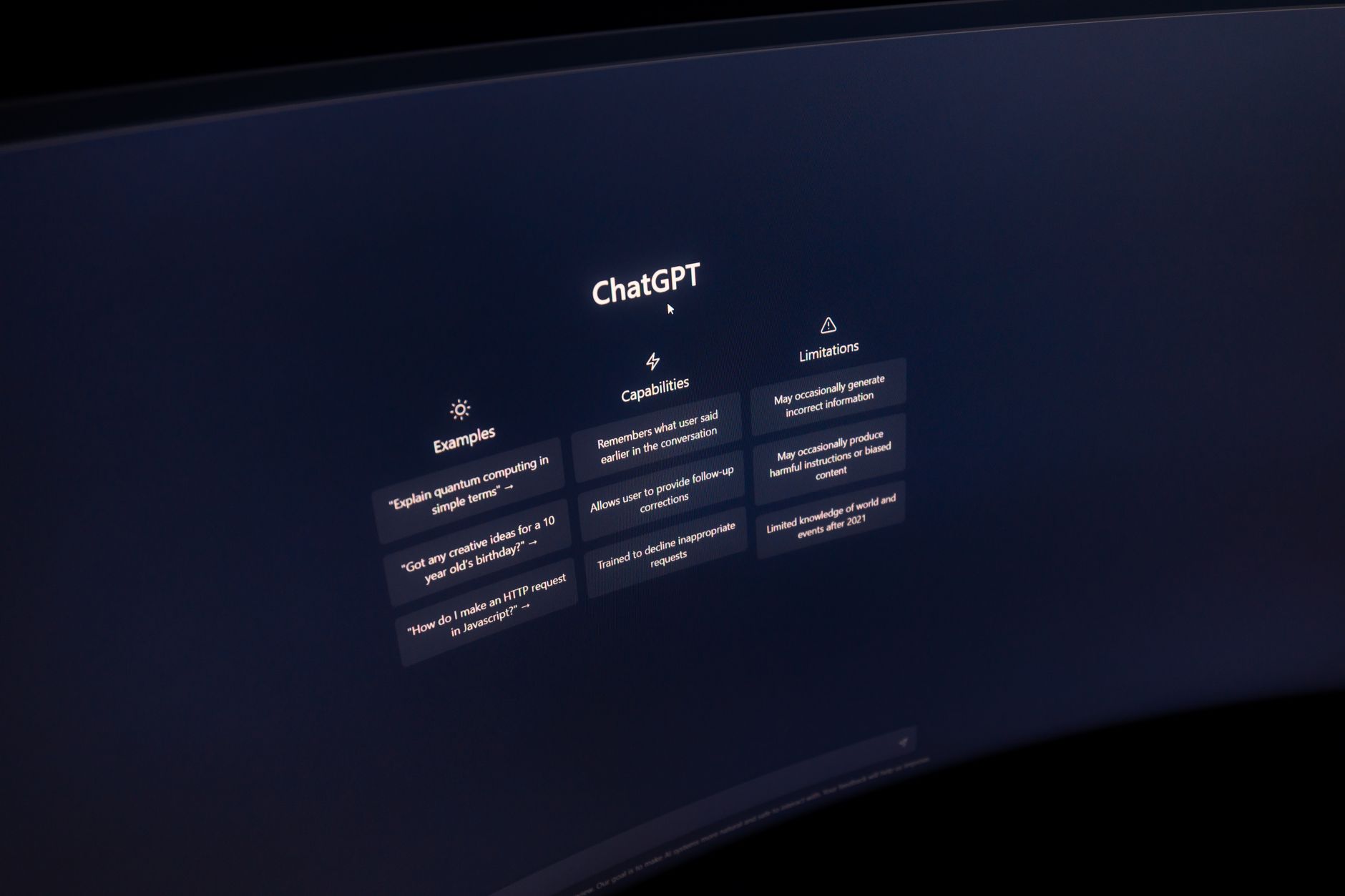
Best AI Tools for Students now include cutting-edge generative assistants like ChatGPT, Claude, and Gemini. They’re smart—sometimes too smart for their own good—and make study buddies look like amateurs. These AI programs don’t just answer questions; they dive into detail. We’re talking full-code generation, complex concept explanations, and even essay outlines, which would have set my college days on fire.
Imagine this: it’s 2 AM, you’re trying to decipher a chapter on quantum mechanics, and your roommate can’t stay awake. Who do you call? Not Ghostbusters—ChatGPT’s got your back with engaging, contextual replies that make your textbooks feel alive. The seamless integration with digital materials helps create a more tailored learning experience.
These tools are a no-brainer for students juggling multiple assignments. They’re available 24/7 and won’t judge you when you get calculus and caffeine mixed up. AI is no longer the future; for students, it’s the present and it’s flipping fantastic.
Pro Tip: Use ChatGPT’s integration with digital textbooks for efficient study sessions without shelling out extra cash for tutors.
Wolfram Alpha: Your Math and Science Tutor
If math makes you question your life choices, Wolfram Alpha might become your favorite tool. It’s like a super-charged calculator with tutoring vibes. It doesn’t just calculate results; it walks you through the entire process, sometimes more patiently than your professor’s TA. No more blindly accepting the calculator’s word—understand every step.
Perfect for STEM students, it tackles everything from partial derivatives to photon energy equations. Forget about getting stuck on homework with abstract problems when you’ve got this helping hand at your disposal. Buying textbooks, visual aids, and online courses not necessary—Wolfram Alpha wraps it all neatly into one package.
They even provide nifty data visualizations. I mean, why spend hours tearing your hair out when you could spend that time marveling at how easy they’ve made it?
Pro Tip: Pair Wolfram Alpha’s capabilities with in-person study groups to complement and challenge your learning curve.
Feature
ChatGPT
Wolfram Alpha
Claude
Code Generation
Yes
No
Yes
Complex Math Solutions
No
Yes
No
Study Aids
Yes
Yes
Yes
Essay Outlines
Yes
No
Yes
StudyPDF & FlashLearn AI Cards
Personalization in studies isn’t just a dream anymore with StudyPDF and FlashLearn AI Cards in your arsenal. They’re perfect for creating tailored study schedules and flashcards that fit your style—it’s like having your learning personal shopper. These tools target retention techniques efficiently, which is half the battle won.
We all know standardized learning isn’t one-size-fits-all. These tools assess your needs and adapt your guides, from taking micro-courses to tackling pop quizzes on the go. Flexibility with a punch.
Whether you’re a visual learner or a devout note-taker, AI flashcards bridge the gap between rote learning and understanding. Free apps are great but investing in these will save you both time and sanity, especially during finals.
Pro Tip: Consistently ranking flashcards by difficulty can prioritize your study focus where it matters most.
Perplexity in Academic Mode
Diving into research-heavy assignments? Perplexity’s academic mode saves the day. By offering real citations—yes, academic integrity counts—students save time rummaging through unreliable sources. No more ‘I don’t know’ citations followed by last-minute Wikipedia searches, this tool ensures the right info supports your hypothesis.
Unlike plain search engines that send you on wild content chases, Perplexity presents concise summaries with firm references, thus making you the star of credible submissions in record time.
Research stress reduction isn’t just a gimmick; it’s a necessity when project deadlines loom. Screw misinformation, this is how you build a solid foundation.
Pro Tip: Use Perplexity to tackle less explored thesis areas by offering credible references before writing your literature review.
Challenging the Norm with NotebookLM
When you need more than a note-taker, NotebookLM swoops in like a cape-less superhero. Exploration bump? Upload lecture notes and allow it to quiz you, identifying where the gaps lie. It’s essentially a self-driven crash course creator where you find information wanting.
You gain a proactive understanding rather than reacquainting yourself with missed doses of caffeine instead of pages. Remember, meaningful learning transcends rote tasks.
Don’t fret; the downside is the daunting interaction quota. But who needs sprawling interactions when you get a laser-focused academic session?
Pro Tip: Utilize NotebookLM for quick mock tests before midterms to establish confidence in weak topics.
Conclusion
The Best AI Tools for Students in 2026 prove to be not just helpful but transformative for studying efficiently. Mix and match various tools as each brings unique elements to the table, optimizing the overall learning journey.
Actionable Tip: Start by integrating one AI tool at a time into your study routine, allowing yourself to master its potential before expanding your tech toolkit.
Frequently Asked Questions
What are the most effective AI tools for students?
The Best AI Tools for Students include ChatGPT, Wolfram Alpha, and NotebookLM. These AI solutions intuitively handle everything from complex problem solutions to interactive learning, adapting to various subjects and learning paces. They’re upgrades over traditional study methods.
Are these AI tools expensive?
Most AI tools offer a range of pricing. ChatGPT offers both free and premium plans, while others like StudyPDF may offer free basic features with premium add-ons. Balancing between free resources and paid options offers flexibility without breaking the bank.
Can AI fully replace traditional learning methods?
AI tools supplement traditional learning. While they enhance efficiency through tailored experiences, they don’t substitute classroom instruction and face-to-face teacher-student interaction. They’re best used as part of a holistic learning approach.
How do students ensure data security while using AI tools?
Ensuring data security on AI platforms involves using reputable, reviewed tools with transparent privacy policies. Opt for tools that prioritize user privacy and remain cautious about the personal data you share.