Passwordless Authentication 2026: The Best Tools Making Passwords Obsolete
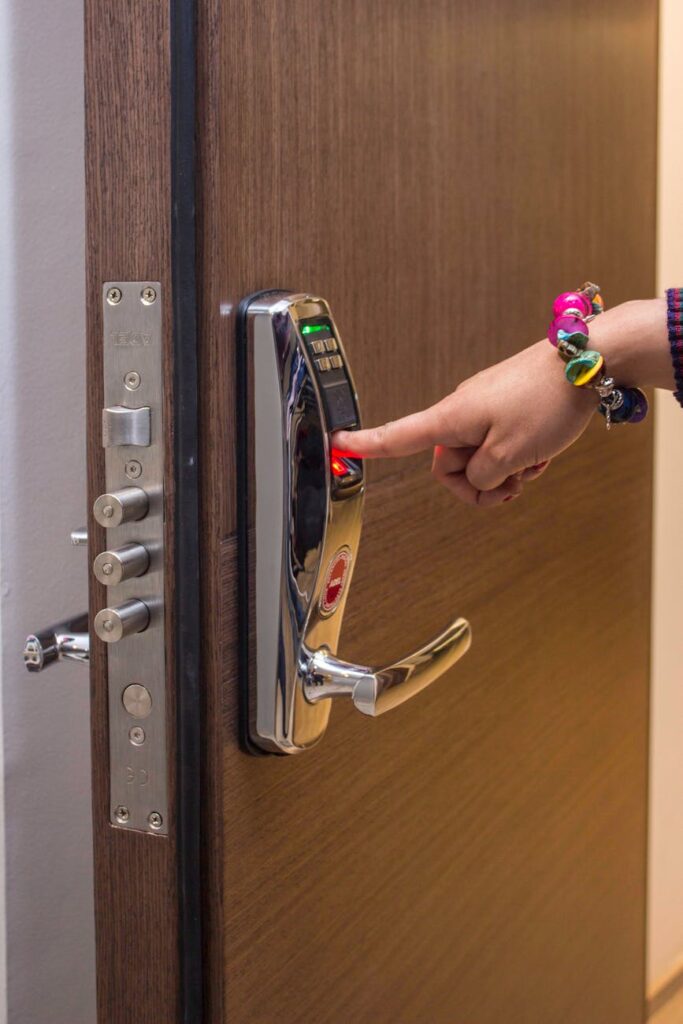
By 2026, passwordless authentication is set to become a dominant force, reducing the need for traditional passwords and enhancing security. Passwordless methods use biometrics like facial recognition and fingerprints, creating a frictionless yet highly secure user experience.
Market Growth and Adoption
Passwordless authentication is a rapidly growing market. As technology evolves, there’s a pivot from traditional passwords to biometric solutions and other advanced methods. Phishing attacks and data breaches drive this shift, accelerating adoption in various sectors. Passwordless Authentication 2026 promises a future where user access is seamless and secure.
In terms of market value, the passwordless authentication segment is projected to hit $19.3 billion by 2026. This massive growth reflects the urgent need for secure, user-friendly access methods. The transition is spearheaded by companies investing heavily in technological innovations to outpace cyber threats.
Organizations worldwide are investing in passwordless solutions. Large enterprises and small businesses alike recognize the value in enhanced security measures. The sentiment is clear: the traditional password’s time is nearly over.
Pro tip: Start exploring passwordless options now to stay ahead of security threats.
Technological Innovations and Integration
Technological advancements underpin Passwordless Authentication 2026. Biometric solutions are at the forefront, transforming how users authenticate. Integration of these technologies into everyday devices makes user access effortless. Smartphones and laptops increasingly feature built-in biometric systems, facilitating seamless adoption.
Industry giants, including AWS, Azure, and Google Cloud, now offer passwordless solutions. Integration of Single Sign-On (SSO) and Multi-Factor Authentication (MFA) offer layered security, ensuring comprehensive protection against cyber threats.
The healthcare and finance sectors are early adopters of passwordless authentication. By prioritizing user experience without compromising on security, these industries set the standard for secure access protocols.
Feature
Option 1
Option 2
Option 3
Biometric type
Fingerprint
Facial Recognition
Voice
Ease of use
High
Medium
High
Cost
Low
Medium
Medium
Security level
High
Very High
High
Integration
Easy
Moderate
Easy
Pro tip: Consider integrating biometrics into your security plans for an edge in protection and user experience.
Adoption Outpacing Traditional Methods
As the passwordless approach gains traction, user convenience is setting the pace. Companies keen on streamlining access without sacrificing security are turning to passwordless systems. These systems offer superior protection against typical password vulnerabilities.
One major selling point is the system’s resistance to phishing. Using passkeys and adhering to FIDO2 standards, organizations strengthen their defenses against email-based attacks. Users benefit from a simpler, more intuitive authentication process.
Phishing resistance makes passwordless solutions an attractive option. Embracing these systems not only enhances security but also improves user satisfaction by minimizing authentication hassles.
Pro tip: Adopt passwordless systems to transform your security architecture and user experience.
Strategic Implementation
Transitioning to passwordless authentication is not without challenges. Identity and Access Management (IAM) strategies must evolve to incorporate these new methods. AI-driven tools and Zero Trust models play a critical role in this adaptation.
Organizations that embrace AI for security can manage threats more dynamically. These intelligent systems analyze patterns and autonomously adjust to potential security risks. As the threat landscape continuously shifts, passwordless authentication aligns with these adaptive security measures.
Long-term planning is crucial for successful implementation. Align passwordless strategies with organizational objectives to protect digital assets effectively.
Try this: Incorporate zero-trust principles to further enhance your passwordless authentication strategy.
Conclusion
Passwordless authentication is more than a buzzword. By 2026, it’s expected to be the standard, reducing the vulnerabilities associated with passwords. The shift to biometrics and integrated solutions is foundational to this transition. Prepare now by exploring market trends and available tools to stay secure.
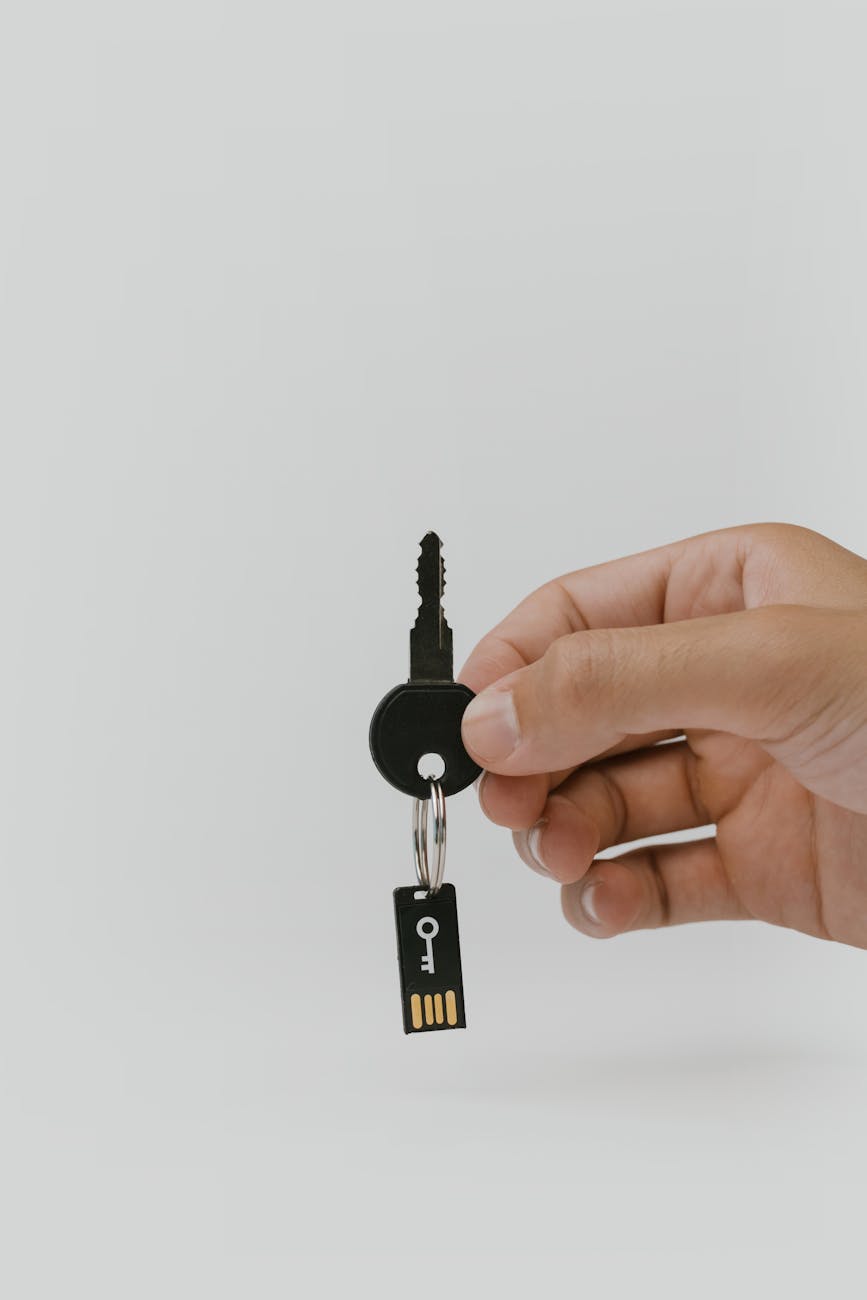
Passwordless authentication eliminates the need for traditional passwords by using biometrics or hardware tokens. It’s a more secure alternative that prevents phishing and data breaches, simplifying user access without compromising security.
Why is passwordless authentication important for businesses?
For businesses, passwordless authentication offers enhanced security, reduces risks of phishing attacks, and improves user experience. It minimizes dependency on passwords, which can be easily compromised, thus reinforcing the overall security posture.
How do biometric systems enhance security?
Biometric systems enhance security by using unique physical attributes for authentication. Unlike passwords, which can be stolen or guessed, biometrics are difficult to replicate. This characteristic significantly reduces the risk of unauthorized access.
What industries benefit the most from passwordless authentication?
Sectors like healthcare, finance, and tech benefit significantly due to the high value of their data and the need for stringent security measures. These industries often lead in adopting passwordless technologies to fortify their defenses against evolving threats.