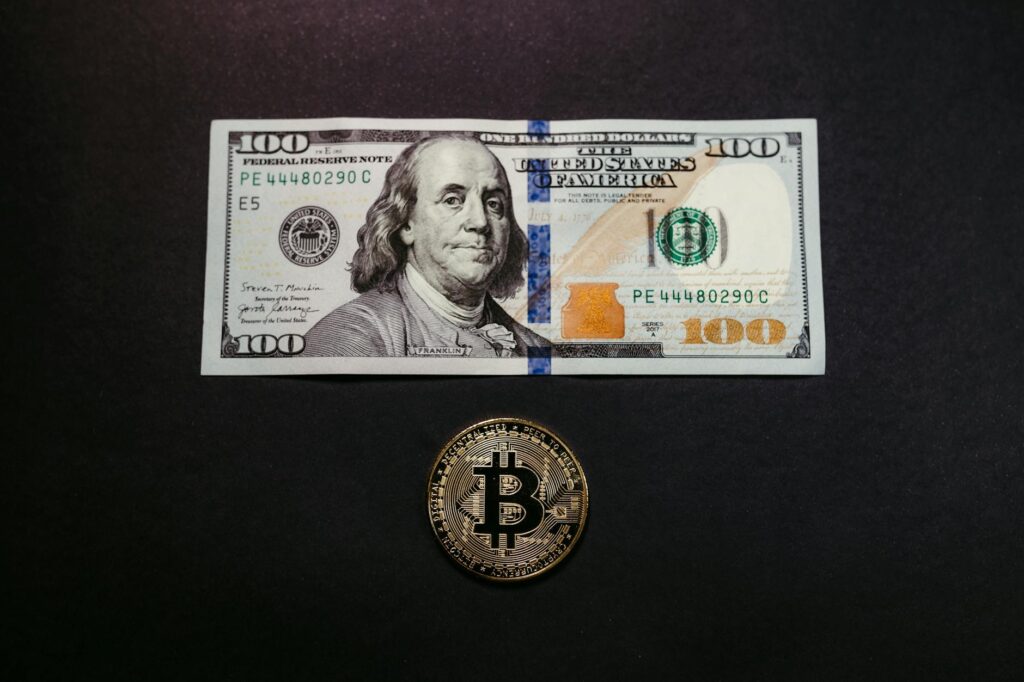
Stablecoins Explained 2026 are cryptocurrencies designed for stability, pegged to reserves like the U.S. dollar, making them perfect for bridging traditional finance and crypto.
Understanding Stablecoins
Stablecoins Explained 2026 are digital currencies that aim to reduce the volatility commonly associated with cryptocurrencies. By pegging their value to fiat currencies such as the U.S. dollar, euro, or Japanese yen, stablecoins provide the predictability associated with cash while retaining the digital benefits of cryptocurrencies. They’re gaining traction as a reliable medium of exchange in both digital and traditional economies.
Stablecoins Explained 2026 typically function by maintaining a reserve of the pegged asset, either through an equivalent cash reserve or collateralizing with other cryptocurrencies. This ensures that the value remains stable and equivalent to the fiat currency they represent. For instance, Tether (USDT) and USD Coin (USDC) are popular stablecoins tied to the U.S. dollar.
Furthermore, stablecoins facilitate instant transactions at a lower cost compared to traditional financial systems, making them attractive for international money transfers. This brings us to an important aspect of their usage: they serve as a bridge between conventional financial systems and the nascent world of digital assets.
Pro tip: For those looking to dive deeper into the nuts and bolts of stablecoins, our AI Tool Reviews section offers insights into tools that simplify the handling of cryptocurrencies and digital payments.
Projected Trends for Stablecoins in 2026
The future looks bright for stablecoins with several key trends predicted for 2026. First and foremost, market growth is expected. Current estimates suggest that the stablecoin market could exceed $500 billion by 2028. This growth aligns with increased interest from institutional investors and mainstream financial sectors.
Another exciting development is the integration of stablecoins into traditional finance systems. For example, their utility in cross-border transactions and internal treasury flows highlights their potential to serve as practical funding rails, enhancing existing payment infrastructures.
Furthermore, we can expect to see improved settlement speeds with stablecoins becoming some of the quickest methods for moving money globally. This is especially critical for international businesses and transactions requiring immediacy.
Feature
Tether (USDT)
USD Coin (USDC)
Dai (DAI)
Peg Value
USD
USD
USD
Type
Centralized
Centralized
Decentralized
Collateral
Fiat-Backed
Fiat-Backed
Crypto-Backed
Main Use
Trading
Online Transactions
Savings
Pro tip: Want up-to-date insights? Check out the AI News section on our website for more on how artificial intelligence impacts cryptocurrency.
Regulation of Stablecoins
As stablecoins become pivotal in finance, regulatory frameworks are crucial. The European Union’s Markets in Crypto-Assets (MiCA) regulation is an example, aiming to govern issues around reserve composition and enhancing issuer transparency.
These regulations are essential for ensuring that stablecoins remain safe and reliable amidst widespread usage. By mandating clear reporting and reserve requirements, regulatory bodies ensure the security and credibility of stablecoin transactions.
Legislations like these solidify stablecoins as not only a tool for crypto enthusiasts but also as a reliable financial instrument in broader economic settings.
Try this: Follow updates on regulation by visiting high-authority sites like Forbes and Investopedia for comprehensive analysis.
Technological Enhancements
Technology plays a crucial role in the stablecoin domain. As digital currencies move towards mainstream adoption, enhancements in payment systems become imperative. Integrating stablecoins with existing regional networks will broaden their utility. This involves not just technological tweaks but harnessing real-time payment technologies for seamless transactions.
For example, QR code innovations and blockchain tech are set to steamroll this integration, streamlining digital dollar payments even further. Imagine pointing your smartphone to make a payment – as easy as 1-2-3!
Moreover, connecting stablecoins to traditional payment systems encourages their use for everyday transactions, making them feasible for both individual users and businesses. This could lead to stablecoins being part and parcel of regional financial operations worldwide.
Try this: Stay ahead by exploring regional fintech advancements and how they can help simplify your finances.
Real-World Applications of Stablecoins
Stablecoins ensure swift and cost-effective access to funds, making them ideal for freelancers and remote workers across the globe. Speedy transactions eliminate bureaucratic delays, providing immediate access to payments.
They also empower markets where traditional challenges, like currency volatility, occur. Countries in Latin America, Africa, and Southeast Asia benefit immensely as stablecoins offer an alternative to costly transfer solutions and volatile currencies.
Moreover, enhancing liquidity through stablecoins improves market efficiency, leading to easier movements of value across different platforms, shrinking the liquidity gaps present in various sectors.
Try this: Consider integrating stablecoins into your financial toolkit, especially if you deal with international clients and transactions frequently.
Conclusion
Stablecoins Explained 2026 is more than a prediction; it’s an inevitable shift. As adoption rates surge and regulations take shape, stablecoins are set to revolutionize digital finance. From becoming integral to cross-border transactions to gaining a foothold in liquid markets, their influence will undoubtedly grow.
Pro tip: Stay engaged and informed. Embrace the digital dollar revolution by exploring tools and resources that can position you ahead in this digital economy. Dive into online business tips to bolster your knowledge!
Frequently Asked Questions
What makes stablecoins different from other cryptocurrencies?
Stablecoins stand out due to their consistent value. While most cryptocurrencies exhibit significant volatility, stablecoins remain stable by pegging their value to other assets like the U.S. dollar. This provides a level of predictability, reducing the risk of drastic fluctuations. While Bitcoin might soar and plummet, stablecoins like USD Coin (USDC) maintain their dollar equivalency, making them ideal for regular transactions and savings.
How do stablecoins achieve price stability?
Price stability in stablecoins is commonly achieved through collateralization or algorithmic mechanisms. Many stablecoins are backed by tangible reserves like fiat currency, precious metals, or other cryptocurrencies, ensuring their value remains steady. Others, like Dai (DAI), use smart contracts and algorithms to maintain a balanced supply and demand, keeping the price in check. It’s this stability mechanism that allows them to be a reliable medium of exchange in the often-volatile crypto world.
What role do regulations play in the development of stablecoins?
Regulations play a pivotal role in the evolution and trust surrounding stablecoins. Proper regulatory frameworks, such as the Markets in Crypto-Assets (MiCA) in the EU, provide guidelines for operation, ensuring transparency in reserve management and enhancing issuer accountability. By establishing these standards, regulatory bodies help stabilize market operations and prevent malpractice, fostering a trustworthy environment for stablecoin users and investors alike. It also helps integrate stablecoins deeper into traditional financial systems.
Are stablecoins the future of digital transactions?
Stablecoins are carving out a significant role in the future of digital transactions. By offering both stability and the inherent benefits of blockchain technology, they provide a compelling alternative to traditional fiat systems. Their growing acceptance and integration into financial infrastructures globally emphasize their potential to become fundamental components in future digital financial systems. With ongoing advancements in technology and increasing adoption rates, stablecoins might soon lead the charge in redefining how we view and manage currency.