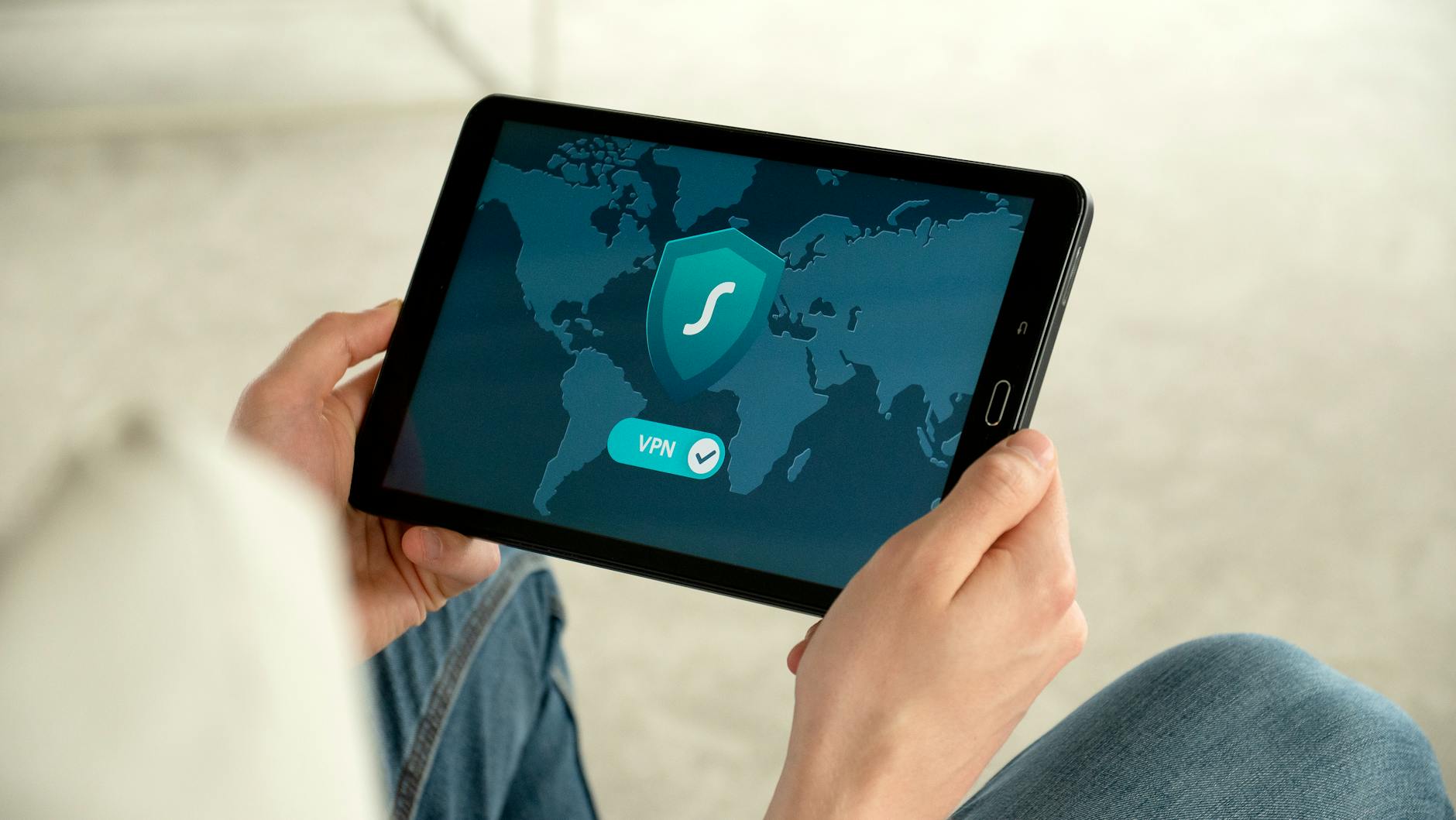
A Virtual Private Network (VPN) has traditionally been used to provide secure remote access to a private network. It works by routing your internet connection through a server and masking your IP address. However, the effectiveness of VPNs is questioned as cyber threats become more sophisticated.
VPNs give users access to an entire network, risking exposure if credentials are compromised. In 2026, organizations are moving to models that provide more targeted access control.
Pro tip: If you still rely on a VPN, ensure it’s backed by strong authentication methods like two-factor authentication.
Understanding Zero Trust
Zero Trust is fundamentally different from a VPN. It operates on a strict ‘never trust, always verify’ principle, granting access based solely on a user’s identity and specific context.
Zero Trust ensures that even if a user’s credentials are stolen, the potential damage is limited by scope. This model continuously monitors and adapts to threats in real-time.
Companies adopting Zero Trust have reported a drop in unauthorized access incidents by over 40%, according to TechCrunch.
Try this: Start by mapping out your organization’s most critical assets and implementing Zero Trust access control measures around them.
Table: VPN vs Zero Trust Features
Feature
VPN
Zero Trust
ZTNA
Access Control
Network-level
User-specific
Identity-based
Monitoring
Limited
Continuous
Adaptive
Scalability
Challenging
High
Dynamic
The Obsolescence of VPNs
VPNs are becoming obsolete in the face of rising cyber threats and stricter compliance laws. The switch to Zero Trust involves Zero Trust Network Access (ZTNA) solutions, which offer more security by enforcing identity-based access controls.
According to Splashtop, companies see a growing need to move away from VPNs because of the vulnerability to social engineering and phishing attacks.
Pro tip: Evaluate your organization’s reliance on VPNs periodically and consider transitioning to ZTNA for heightened protection.
The Rise of AI in Zero Trust
AI plays a pivotal role in modern Zero Trust models. It is used for adaptive access controls, continuous verification, and real-time monitoring.
AI’s ability to learn user patterns enhances security by identifying anomalies and potential breaches much faster than traditional methods.
Image recognition and predictive analytics help AI in zero trust setups detect suspicious activities even before they cause harm, making it indispensable.AI News
Challenges in Implementing Zero Trust
Implementing Zero Trust isn’t without challenges. Businesses often face difficulties like deployment complexity and managing excessive access privileges.
An evolving identity management system can mitigate these challenges, streamlining the adoption of Zero Trust principles.
Pro tip: Engage with experts to effectively map out potential hurdles before initiating a Zero Trust transition plan.Online Business Tips
Conclusion
By 2026, Zero Trust will likely dominate over VPNs as the preferred cybersecurity model. This shift aligns with a need for more responsive and secure access controls in the face of rising cyber threats.
Organizations should speed up their Zero Trust adoption to not just stay compliant with new regulations, but also ensure robust security infrastructures. Start transitioning today to keep your data and network protected.
Frequently Asked Questions
What is the primary benefit of Zero Trust over VPNs?
The main benefit of Zero Trust over VPNs is enhanced security. Zero Trust doesn’t assume anything is safe and continually verifies access, reducing the risk of breaches significantly.
How does Zero Trust impact remote work?
Zero Trust greatly aids remote work by securing access points irrespective of location, ensuring employees can access the resources they need without unnecessary exposure.
Are there cost implications in shifting to a Zero Trust model?
Initially, adopting Zero Trust may seem costly, but it ultimately saves money by preventing breaches and loss of sensitive data. Ensuring proper setup helps optimize costs.
Can small businesses effectively switch to Zero Trust?
Yes, small businesses can effectively switch to Zero Trust. With scalable solutions and affordable pricing tiers, even small companies can protect their assets using Zero Trust frameworks.