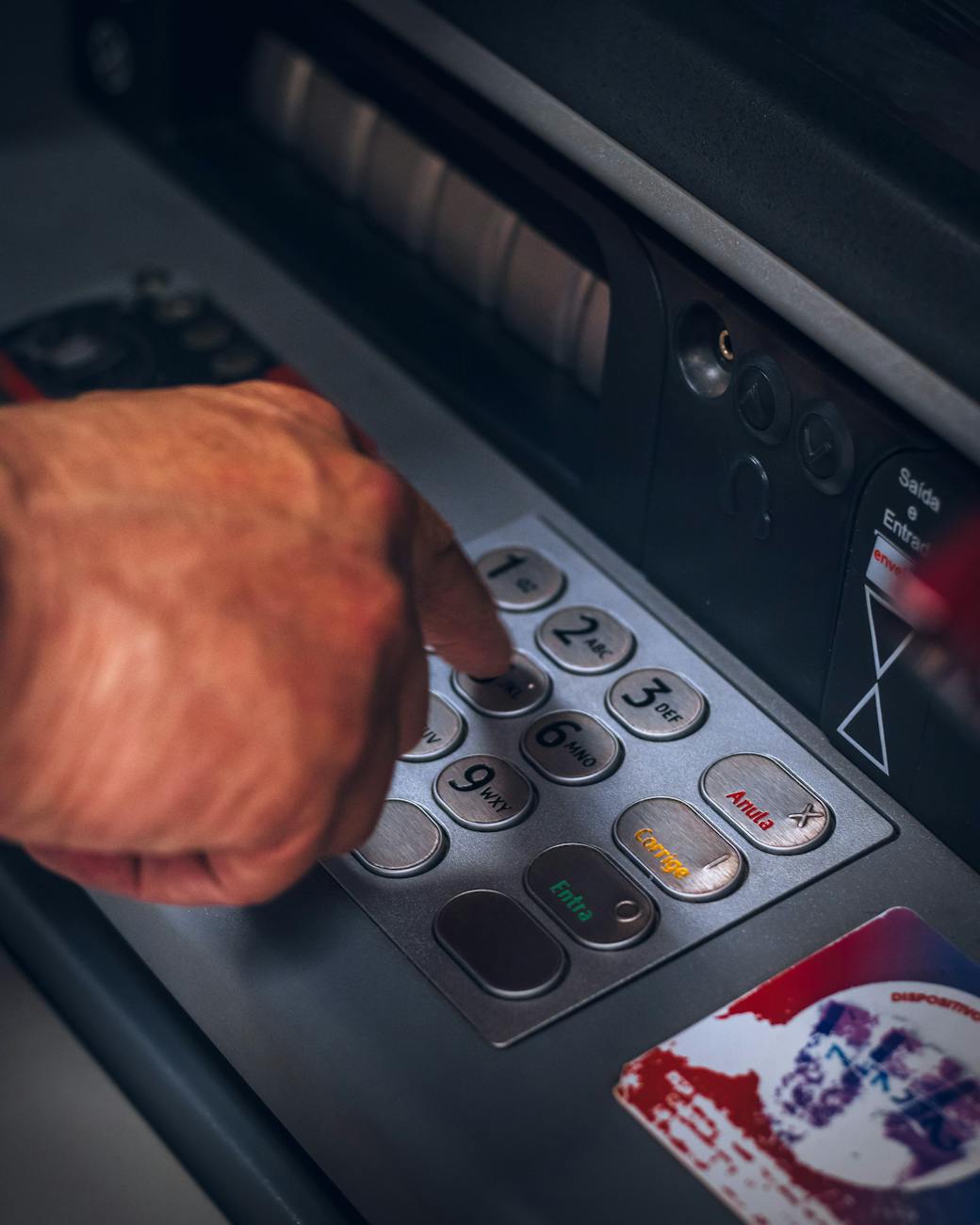
AI Fraud Detection 2026 offers powerful solutions for banks to combat scams before they happen. By leveraging advanced technologies, financial institutions are proactively identifying and preventing fraudulent activities.
1. Real-Time Risk Scoring
One of the most significant advancements in AI Fraud Detection 2026 is the implementation of real-time risk scoring. Instead of a simple approve or deny process, banks now dynamically assess transactions to assign a risk score. This allows institutions to differentiate between low-risk and high-risk transactions, ensuring a tailored response for each.
For instance, if a transaction appears suspicious, the system might require multi-factor authentication to verify the user’s identity. This real-time risk assessment not only protects banks but also enhances the customer experience by minimizing unnecessary transaction denials.
Pro tip: Banks should continuously refine their risk assessment algorithms to adapt to emerging fraud patterns, enhancing their detection capabilities in real time.
2. Unsupervised Learning for Novel Fraud Detection
Unsupervised learning techniques play a crucial role in configuring AI Fraud Detection 2026 systems. Unlike traditional methods, which rely on predefined rules, these algorithms learn from vast datasets to identify previously unknown fraud schemes. They scrutinize data for unusual patterns that could signify fraud, opening new pathways for detecting more sophisticated scams.
A prime example includes utilizing algorithms that analyze customer transaction histories to recognize anomalies. If a customer’s behavior suddenly changes, such as atypical transaction velocities or random withdrawals from foreign locations, the system can flag these alerts. This capability is vital for staying a step ahead of ever-evolving fraud tactics.
Try this: Regularly update your unsupervised learning models with recent data to maximize their effectiveness in detecting and addressing new types of fraud.
3. Advanced Identity Verification
Another vital component of AI Fraud Detection 2026 is advanced identity verification. By implementing biometric verification techniques like facial recognition and voice authentication, banks can significantly reduce instances of identity theft. This technology enables a more reliable authentication process that ensures customers are who they say they are.
For example, liveness detection confirms that a user is present during the authentication process, thwarting potential attempts at impersonation. As fraudsters become more sophisticated, leveraging these technologies is critical for mitigating risks associated with identity theft and synthetic identity fraud.
Pro tip: Financial institutions should consider integrating AI-driven biometric systems into their authentication processes to enhance security without compromising user experience.
4. Automated Monitoring Through Machine Learning
AI-powered systems are revolutionizing the way banks monitor transactions by employing machine learning for automated surveillance. These systems analyze performance across various channels in real time, identifying high-risk behavior patterns that might indicate fraud.
For instance, if a customer suddenly begins making high-frequency transactions to a new recipient or alters their withdrawal amounts significantly, machine learning algorithms can catch these anomalies. This instant identification allows banks to react swiftly to potential breaches, thereby minimizing losses and protecting customers effectively.
Try this: Implement a layered approach to machine learning that combines transaction monitoring with customer profiling for more comprehensive coverage against fraudulent activities.
5. Cross-Institutional Data Sharing
In the realm of AI Fraud Detection 2026, cross-institutional data sharing is becoming increasingly critical. Banks are collaborating more than ever to share behavioral data that can help in identifying coordinated fraud attempts. By pooling their resources and intelligence, financial institutions can create a more significant deterrent against scammers.
This data sharing allows for real-time alerts about potential fraud, making it difficult for fraudsters to manipulate customers into transferring funds. Through cooperative networks, banks can respond proactively to intercept scams even during verified transactions, making it a powerful strategy in fraud prevention.
Pro tip: Establish open communication channels with other financial institutions to facilitate data sharing for real-time fraud detection efforts.
6. Adaptive Response Technologies
Adaptive response technologies exemplify AI’s flexibility in combating fraud. With the rise of generative AI used by fraudsters, banks are now employing adaptive algorithms that learn from new data continuously. This allows for the development of detection capabilities that can keep pace with changing fraud tactics.
For example, if fraudsters start employing a new strategy to impersonate bank representatives, adaptive AI can update its models automatically based on emerging patterns. Keeping AI systems agile and responsive is crucial in an environment where fraud methodologies evolve rapidly.
Try this: Schedule regular training sessions for your AI models using recent fraud cases discovered in your organization, ensuring they are always ready adapte to evolving threats.
7. Multi-Modal Threat Detection
AI Fraud Detection 2026 is expanding its capabilities through multi-modal threat detection, which involves analyzing diverse data types—text, images, and transaction data. By integrating various sources, banks can achieve a more profound understanding of potential threats.
For instance, by examining user behaviors along with transaction patterns, banks can detect complex scams that might not be revealed through a single data type. This holistic approach significantly enhances the detection accuracy of fraud operations, allowing financial institutions to navigate sophisticated threats effectively.
Pro tip: Invest in AI platforms that support multi-modal analyses to allow your institutions to benefit from a more comprehensive surveillance system.
Conclusion
As the landscape of fraud continues to evolve, AI Fraud Detection 2026 stands out as a crucial tool for banks aiming to safeguard their operations and their customers’ financial well-being. From real-time risk scoring to advanced identity verification methods, the seven approaches discussed above illustrate the future of fraud prevention.
By embracing these technologies and collaborating across institutions, banks can significantly enhance their capabilities to detect and respond to fraud swiftly. If your institution hasn’t begun implementing these strategies, now is the time to consider the benefits of investing in AI innovation.
Frequently Asked Questions
What is AI Fraud Detection?
AI Fraud Detection refers to the use of artificial intelligence technologies to identify and prevent fraudulent activities in banking and finance. By analyzing transaction patterns, user behavior, and anomalies, AI can quickly flag potential fraud before it escalates.
How does real-time risk scoring work?
Real-time risk scoring involves dynamically assessing the risk level of transactions as they occur rather than relying on static rules. This process allows banks to apply varying levels of scrutiny depending on the risk, such as requiring additional authentication for high-risk transactions.
What technologies are used in identity verification?
Identity verification often employs advanced technologies like biometric verification, which includes facial and voice recognition. These methods are combined with traditional document verification to create a robust security system that is difficult to bypass.
Why is cross-institutional data sharing beneficial?
Cross-institutional data sharing helps banks identify coordinated fraud attempts more effectively by allowing them to share behavioral patterns and alerts about suspicious activities. This collaboration results in a more substantial deterrent against scammers and bolsters overall security across the financial sector.