Biometric banking 2026 is set to transform identity authentication through facial recognition. This shift will enhance security and revolutionize financial transactions.
Enhanced Security Measures
Facial recognition in biometric banking 2026 comes with advanced security. Liveness detection ensures the user’s face is genuine, not a photo or video. By analyzing micro-movements like blinking, banks drastically reduce fraud.
Tiny expressions, often unnoticed, play a critical role. Think of the small tilts of the head or subtle lip twitches. These are hard to mimic, making unauthorized access challenging.
Security protocols use these techniques to create robust defense systems. The goal? Stop fraud before it starts, keeping your money safe.
Pro tip: Always update your mobile banking app for the latest and most secure facial recognition features.
Widespread Adoption in Banking
Biometric banking 2026 predicts that most banks will use facial recognition. The shift is driven by its accuracy and no-contact nature. You might use your face to log into your bank app or verify identity at ATMs.
This technology is not just skin-deep. Banks see it as a customer-first initiative. It’s all about quick, secure transactions, reducing the hassle of remembering passwords.
Countries like China are leading the charge. They see millions of daily transactions authenticated through facial recognition. The West is quickly catching up.
Try this: Link your facial recognition app with your bank account for faster transactions.
Market Growth and Predictions
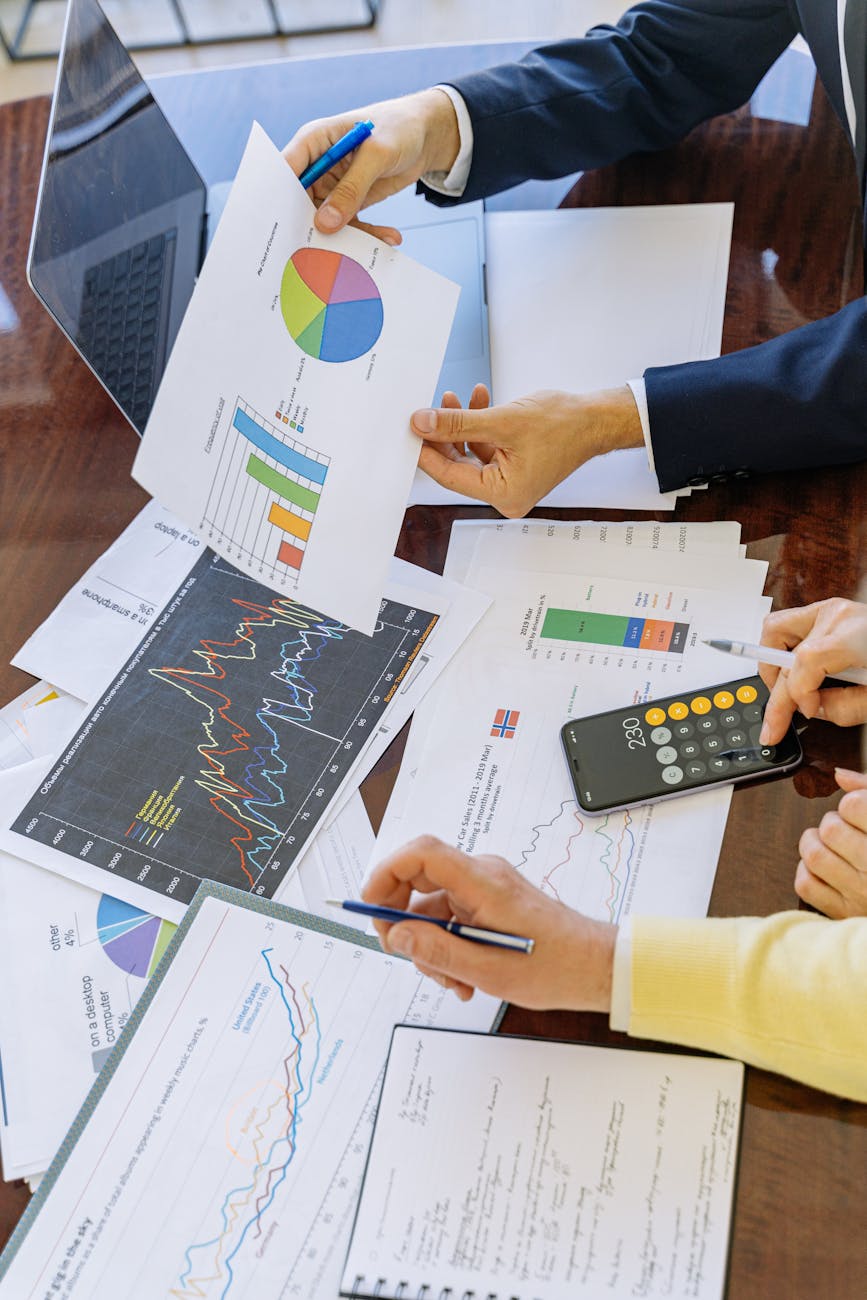
The market for facial recognition in banks is booming. Reports say it’ll hit USD 40.97 billion by 2035. With a CAGR of 13.2%, it’s a hot tech sector.
This growth reflects consumer confidence. More people are accepting facial recognition, ditching traditional passwords. It’s a win for banks and users alike.
Such tech isn’t just for securing banks. Consider its application in fintech, enhancing security in apps. For more insights, visit Fintech News.
Pro tip: Stay updated with market trends; they inform which banking apps offer state-of-the-art security.
Contactless Banking Services
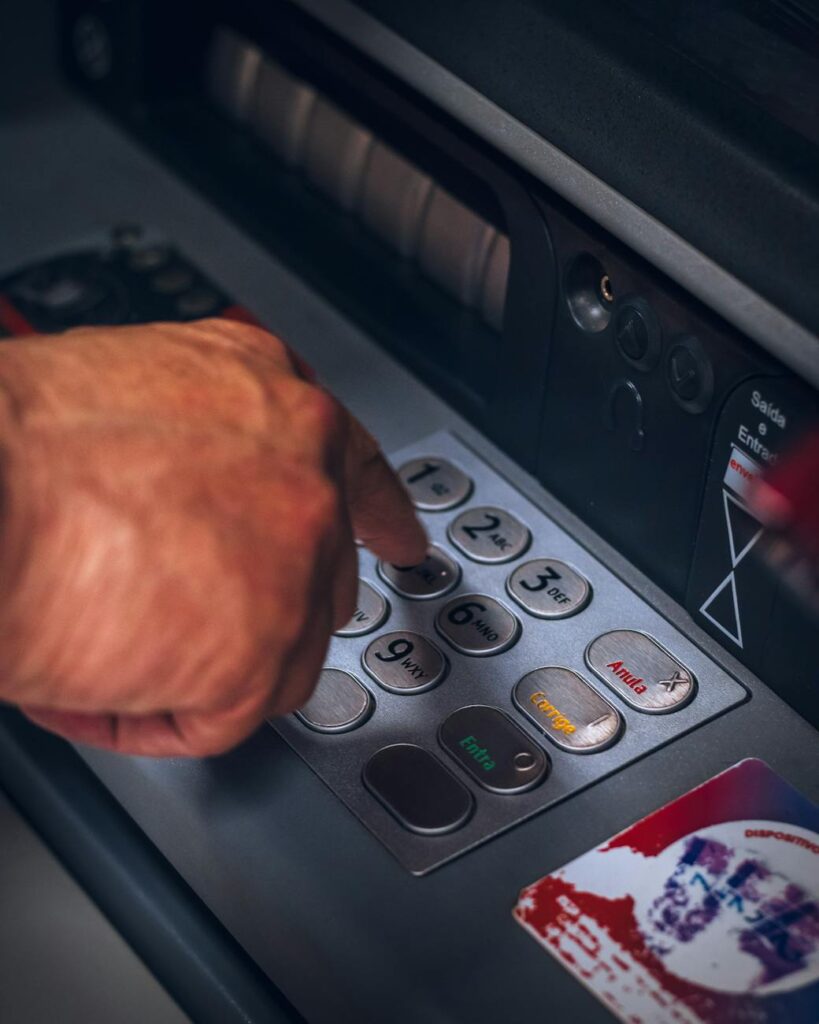
Post-2020, contactless transactions become the norm. Facial recognition fits perfectly. Imagine never touching an ATM again but still accessing cash.
For mobile banking, it’s a game-changer. Tap, look, and transact. No need for pins. This process not only speeds things up but also promises health safety.
Retailers too see the benefits. You could buy groceries just with a look at the cashier. Imagine a future where carrying cards becomes obsolete.
Try this: Next time seek out facial recognition ATMs for a touch-free experience.
Integration of AI and Machine Learning
AI and machine learning push facial recognition forward. These technologies increase accuracy. They lessen false positives, ensuring your face means your data.
AI learns individual quirks. It knows the difference between you blinking and a similar-looking person. This learning curve enhances all future sessions, keeping your info protected.
Biometric banking 2026 relies on these advancements. Without AI, the facial recognition system wouldn’t be as efficient. This is tech at work, minimizing risks.
Pro tip: Enable AI features in your banking app to maximize facial recognition accuracy.
Privacy and Data Security Innovations
Privacy concerns accompany tech advances. Biometric data isn’t stored raw. Banks create secure templates, encrypting them for safety.
Encryption plays the guardian. Your face becomes a secure key that can’t be easily replicated or misused. It aligns with data protection regulations worldwide.
Consumers feel safer, knowing their data is private. Banks use this privacy framework to win trust, making customers more willing to adopt new tech.
Try this: Regularly check your bank’s privacy policy updates and understand how they protect your biometric data.
Real-World Applications
Biometric banking 2026 is not just theoretical. India leads the way with the Navi UPI app. The Global Fintech Festival 2026 saw this tech live in action.
Other banks aren’t far behind. They plan to roll out pilot projects, bringing facial recognition to your everyday banking.
Not just banks, but fintech companies have also embraced it. See emerging trends on AI News.
Pro tip: Explore participation in fintech events where you can experience facial recognition tech firsthand.
Conclusion
Facial recognition in banking steps up by 2026. It’s fast, secure, and widely adopted. The tech industry backs it for everything from ATMs to apps.
The journey sees boosted market growth, tighter security, and better privacy. We are moving toward a password-free future. Be part of this change, be secure.
Take action: Update your banking apps to the latest versions to ensure you have the most secure facial recognition technology available.
Frequently Asked Questions
What is biometric banking 2026?
Biometric banking 2026 refers to using facial recognition for banking transactions. This technology replaces traditional passwords, enhancing security and convenience.
How does facial recognition improve security?
Facial recognition uses liveness detection and micro-movement analysis. These ensure authentic user verification, preventing fraud and unauthorized access.
Is biometric data secure?
Yes, biometric data isn’t stored in raw form. Banks use template creation and encryption, adhering to strict privacy regulations, thus protecting user data.
Will facial recognition replace passwords completely?
By 2026, facial recognition is set to significantly replace passwords. Adoption by banks and changes in consumer behavior make it a leading security feature in banking.