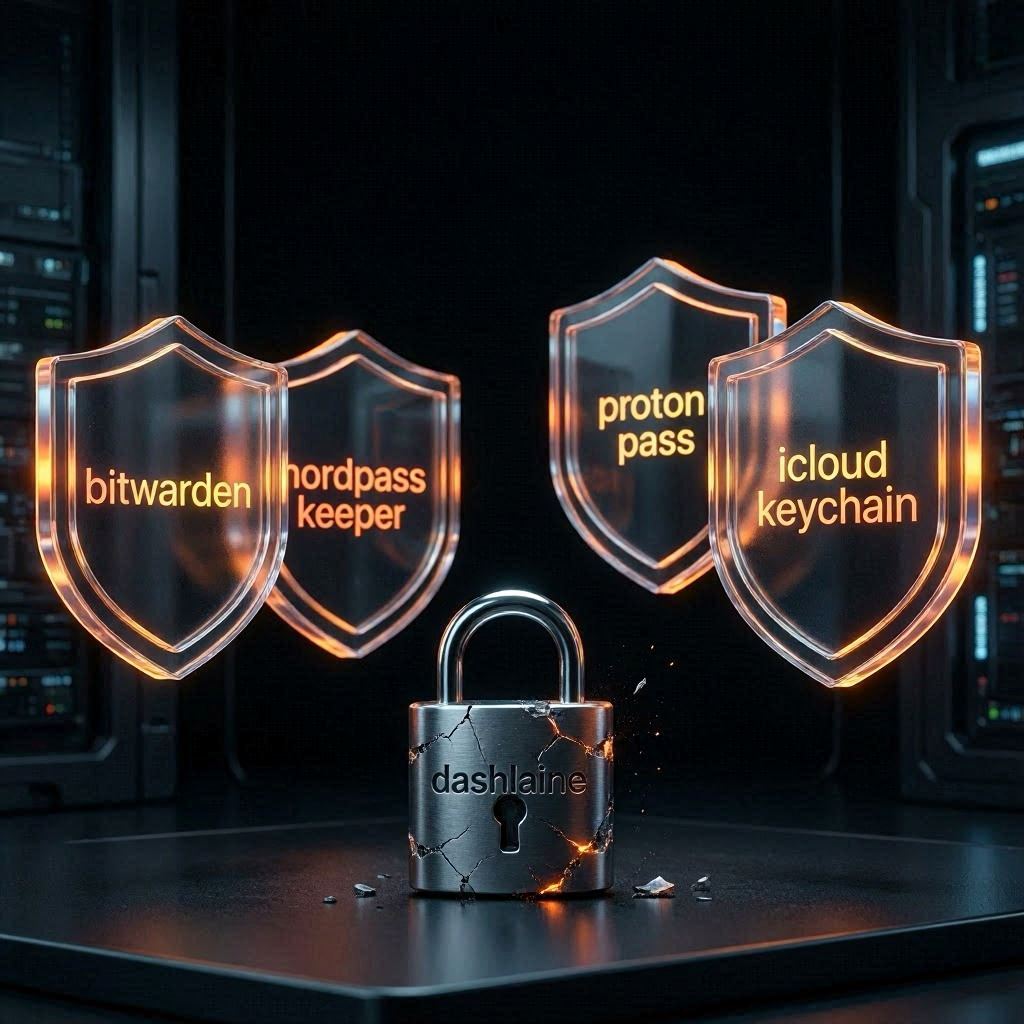
Looking for the best password manager in 2026? Bitwarden, 1Password, and Dashlane lead the race with unique offerings tailored to diverse user needs. Whether it’s pricing, features, or popularity, each has something different to offer.
Overview of Best Password Managers 2026
The Best Password Managers 2026 offer an impressive array of features to secure your accounts effortlessly. Bitwarden, 1Password, and Dashlane are top contenders, each excelling in distinct areas that cater to both individual and family needs.
Bitwarden entices with its generous free plan and open-source flexibility, making it a favorite among budget-conscious users. Its premium plan remains affordable despite a price increase, offering value-packed security.1Password appeals to those seeking a premium experience with sophisticated features like Travel Mode and Watchtower for advanced security monitoring. Finally, Dashlane combines a password manager with a VPN for comprehensive protection, making it ideal for those seeking an all-in-one solution.
Choosing the right manager depends on your needs, preferences, and budget. The differences between these options are substantial, making it crucial to explore them thoroughly.
Pricing Structure Analysis
Understanding the pricing differences between the Best Password Managers 2026 options helps you choose the most suitable one. Bitwarden offers an unlimited free plan, making it highly appealing for users unwilling to spend extra months.
Bitwarden’s premium plan costs $19.80/year (€1.41/month), a budget-friendly option compared to its competitors. Despite its recent price increase, it remains the most affordable among premium plans.
1Password provides an individual plan at €43.80/year ($48/year). This plan offers a premium experience with robust features designed for individual users who prioritize security. Additionally, while the individual plan is more expensive than Bitwarden, it includes a family plan at €69/year to cater to up to five members.
Dashlane’s premium plan costs €3.68/month (€44.16/year) billed annually, offering a bundled VPN feature. Its family plan, priced at €90/year for up to 10 users, is a potential cost-effective solution for larger families.
Feature
Bitwarden
1Password
Dashlane
Free Plan
Yes
No
No
Premium Cost
$19.80/year
€43.80/year
€44.16/year
Family Plan
No
€69/year
€90/year
VPN Included
No
No
Yes
Pro tip: Always consider signing up for a trial or a free plan before purchasing a premium upgrade to ensure the service suits your needs.
Feature Comparison: What Each Offers
Examining the feature set of the Best Password Managers 2026 reveals a wide range of tools that enhance security and user experience. Bitwarden focuses on open-source accessibility, attracting tech-savvy users who prefer control over their data. The ability to self-host adds a layer of flexibility absent in its competitors.
1Password stands out with Travel Mode and Watchtower. Travel Mode hides sensitive data during travel, offering peace of mind. Watchtower monitors potential security threats, providing alerts and suggestions to strengthen your safety.
Dashlane’s VPN feature sets it apart, offering privacy during online interactions. Despite some grievances about stability, it addresses cybersecurity concerns. Features like dark web monitoring and password health reports provide tools to maintain password security proactively.
Pro tip: Prioritize the features most critical to your daily use. If a bundled VPN or open-source flexibility is unnecessary, focus on other aspects such as user interface and device compatibility.
Popularity and Current Trends
The battle among the Best Password Managers 2026 also depends on user trends and preferences. Bitwarden gains popularity with its commitment to openness and affordability. As users become more aware of security, open-source solutions like Bitwarden attract a community seeking transparency.
1Password maintains a firm grip on the market by catering to those desiring a polished user-friendly experience. It introduces innovative features and ongoing updates maintaining high user engagement.
Dashlane taps into users looking for comprehensive coverage with its resourceful security toolkit, adjusting services to suit mobile-first audiences. Despite varying opinions, its all-in-one theme appeals during the increasing demand for digital safety.
Try this: Monitor user forums and online discussions to gauge real-world experiences with password managers, which help you make an informed decision based on actual user feedback.
Integrations and Compatibility
The Best Password Managers 2026 must seamlessly integrate with multiple platforms, ensuring smooth user experiences. Bitwarden’s support for every major operating system, browser extensions, and mobile apps adds versatility, enhancing user retention.
1Password’s compatibility covers an extensive range of tools and services, integrating smoothly with popular applications like Dropbox and Slack. Such adaptability enhances productivity by simplifying password management across platforms.
Dashlane matches its competitors with broad accessibility, offering seamless syncing across devices. Its desktop app stands out in service reliability, adding consistency in performance.
Pro tip: Confirm the password manager’s compatibility with your frequently used devices and software. A service lacking in this area can disrupt workflows and hinder productivity.
Conclusion
The Best Password Managers 2026 provide varied selections meeting different user criteria. Bitwarden reigns supreme for budget-focused users who prioritize open-source transparency. 1Password caters to security enthusiasts willing to invest in a premium experience. Dashlane’s strong feature set with integrated VPN services provides robust security to those seeking a complete bundled solution.
Choosing the right password manager demands understanding your unique needs and daily operations. Please make your choice based on the features you value most, ensuring your digital security measures are both effective and cost-efficient.
Bitwarden’s free plan includes unlimited password storage and device sync, making it the top choice for users seeking no-cost efficiency. Unlike competitors, it maintains an open-source model, granting more control and transparency over your data. Therefore, it appeals strongly to those preferring a professionally reviewed yet community-enhanced tool.
Does 1Password justify its price with features?
Yes, 1Password’s price comes with high-value features like Watchtower and Travel Mode. It provides security alerts and a discrete way to manage data while traveling, features that cheaper managers might overlook. Additionally, continual updates and user-friendly interfaces lend support to its prominent market presence.
Are Dashlane’s integrated VPN services reliable?
Dashlane’s integrated VPN services offer added protection in one package. There have been reports of instability, yet improvements are ongoing. This integration covers more ground than standalone password managers, appealing to privacy-focused individuals who prefer all-in-one solutions.
Which password manager is best suited for a family setup?
1Password and Dashlane offer practical family plans, catering to 5 and 10 users, respectively. Dashlane stands out with comprehensive annual cost savings for larger families and added security features. However, 1Password provides fantastic user management tools loved by families who invest in superior tech experiences.